Proof
Proof: what comes back is CAD geometry, not a picture of one
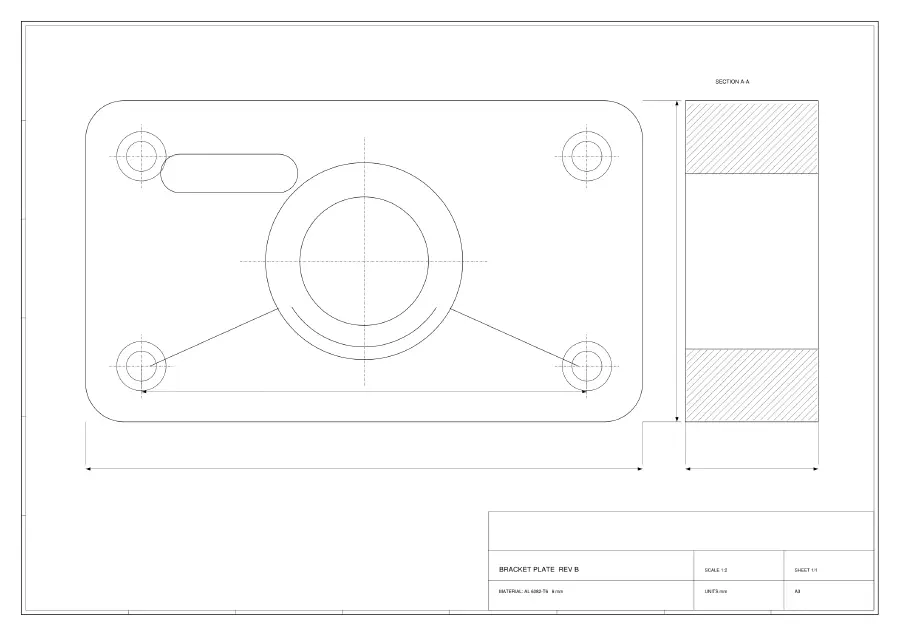
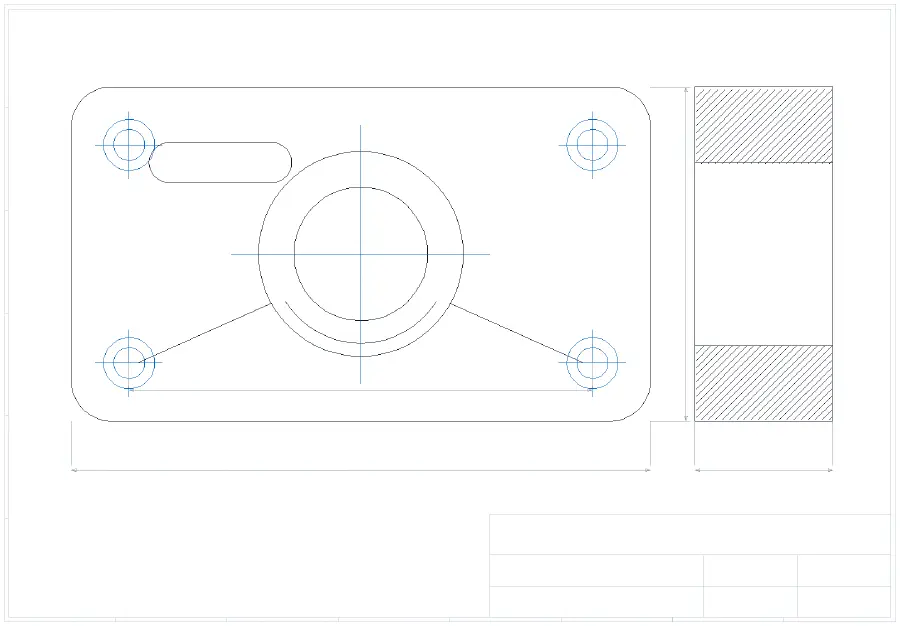
“Converted to CAD” is easy to claim, so here is what is checkable. One library reads the source PDF, a second, unrelated library reads the DXF that came out, and the only thing between the two readings is this converter. If it had dropped, moved or flattened anything, the two would disagree.
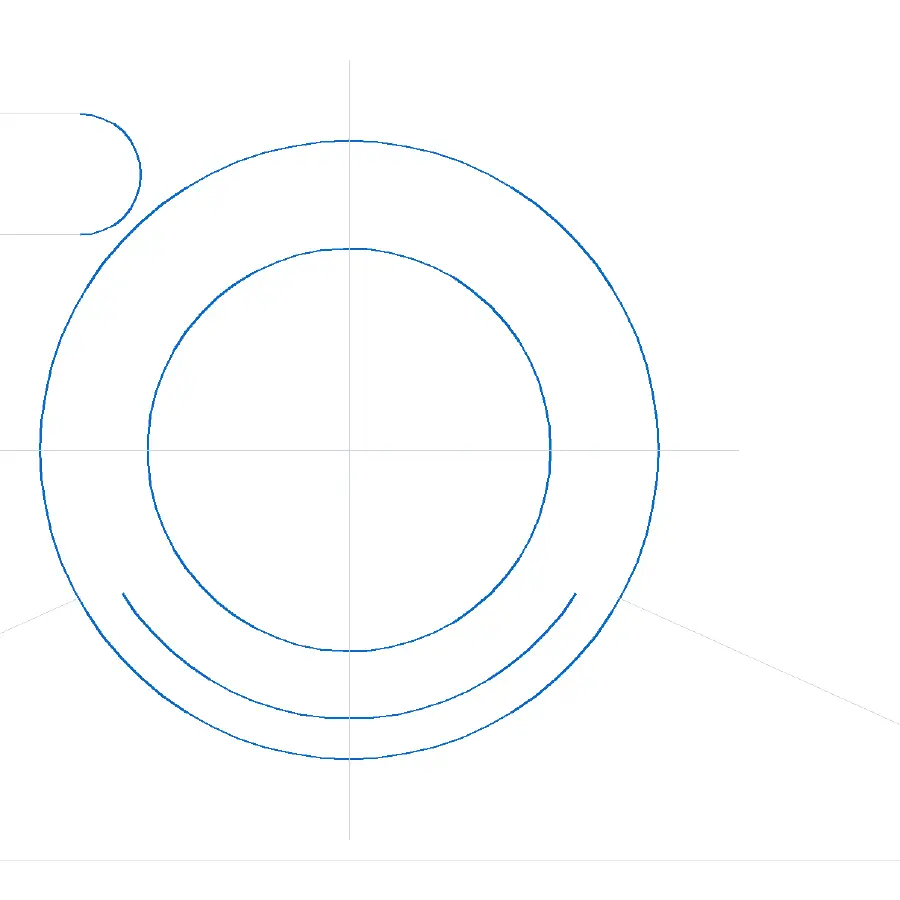
They do not. Every line in the PDF is found again in the DXF and every line in the DXF has a counterpart in the source, and the total drawn length matches to four decimal places — which is the number that catches flattened curves, because chopping an arc into straight segments makes it measurably shorter.
recall 100.00% · precision 100.00% · ink-length ratio 1.0000 · 138 entities (LINE 106, LWPOLYLINE 12, ARC 10, CIRCLE 10)
That check does not fall apart on real work: the biggest sheet set we have run is a 29-page government bridge plan — 68,179 entities, 54,799 of them arcs — and it came back at ratio 1.0004 with recall 100.00%. The drawing belongs to the agency that published it, so we cannot reprint it here; the measurement is the same one used above.